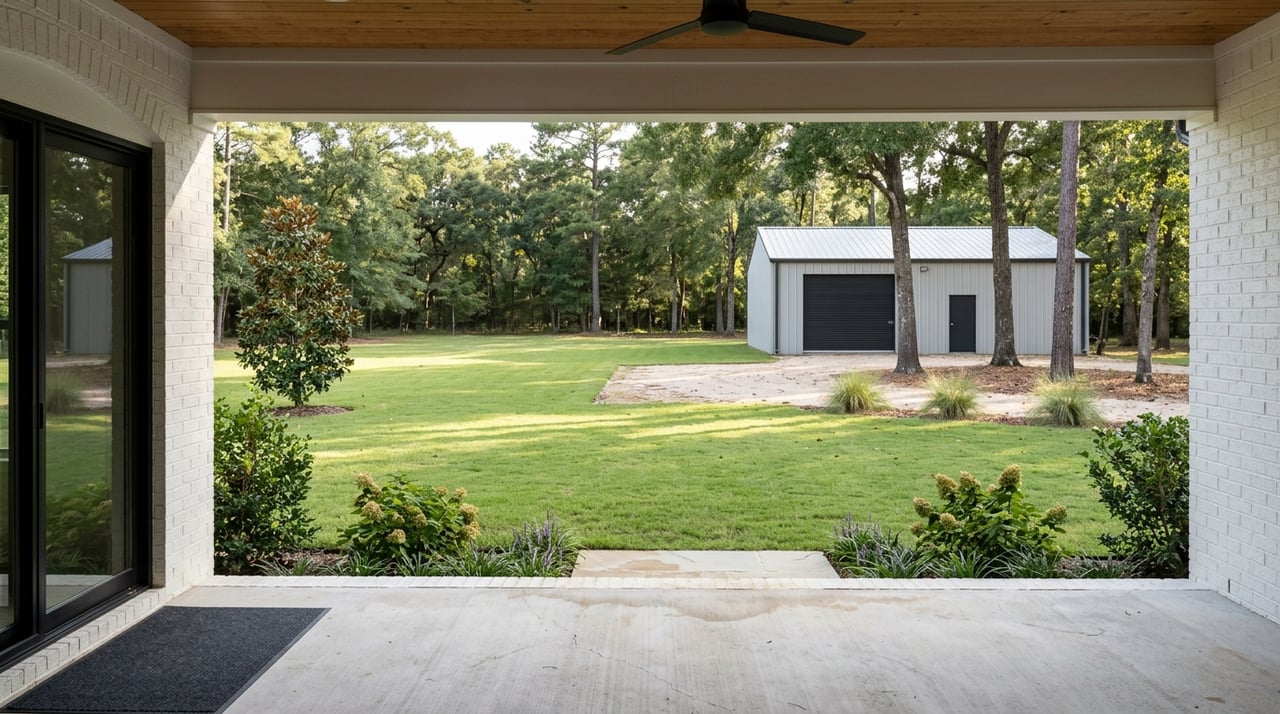
If you’ve been dreaming about more space, Magnolia often ends up on your shortlist for good reason. The area offers a small-town feel with access to Houston, Conroe, and The Woodlands, which makes it appealing if you want room to spread out without feeling cut off from daily conveniences. If you are exploring country acreage living around Magnolia, this guide will help you understand what to expect, what to verify, and how to shop smarter. Let’s dive in.
Why Magnolia Appeals to Acreage Buyers
Magnolia sits in southwest Montgomery County at FM 1774 and FM 1488, about 45 miles northwest of Houston and 25 miles southwest of Conroe. The city itself is small, with about 8,095 residents in July 2025 and only 2.87 square miles, so most acreage living around Magnolia happens outside the city core on surrounding rural and semi-rural tracts.
That setting is part of the draw. Magnolia highlights access to Houston, Conroe, and The Woodlands while still offering a small-town atmosphere, along with outdoor-oriented recreation such as golf, equestrian activities, nature, and cycling. For many buyers, that combination creates a practical middle ground between privacy and convenience.
Transportation access also supports the area’s appeal. TxDOT notes that the SH 249 Project serves Montgomery and Grimes counties northwest of Houston, including a section from FM 1774 in Pinehurst to FM 1488 near Magnolia. For buyers who need to balance land with regional access, that matters.
What Acreage Living Looks Like
Acreage properties around Magnolia come in a wide range of sizes and setups. Current listings show examples from roughly 1 acre to more than 70 acres, which means your options may range from a manageable homesite with extra room to a much larger tract with broader land-use flexibility.
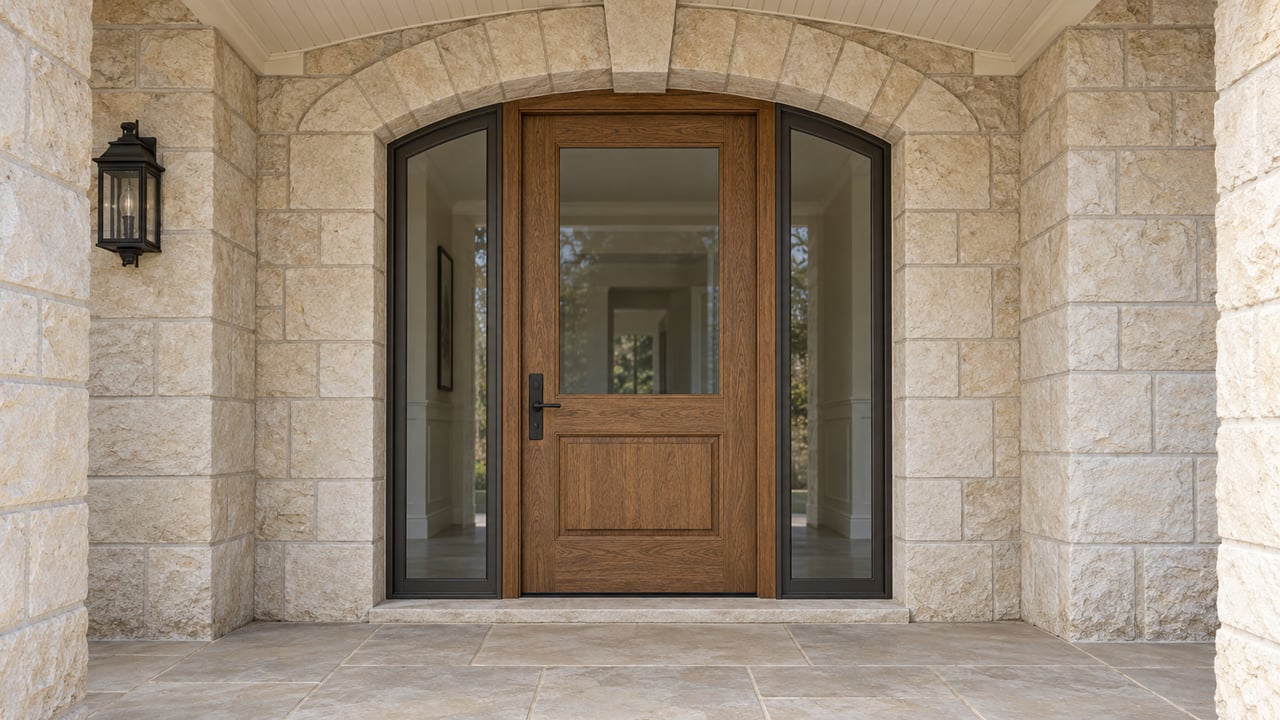
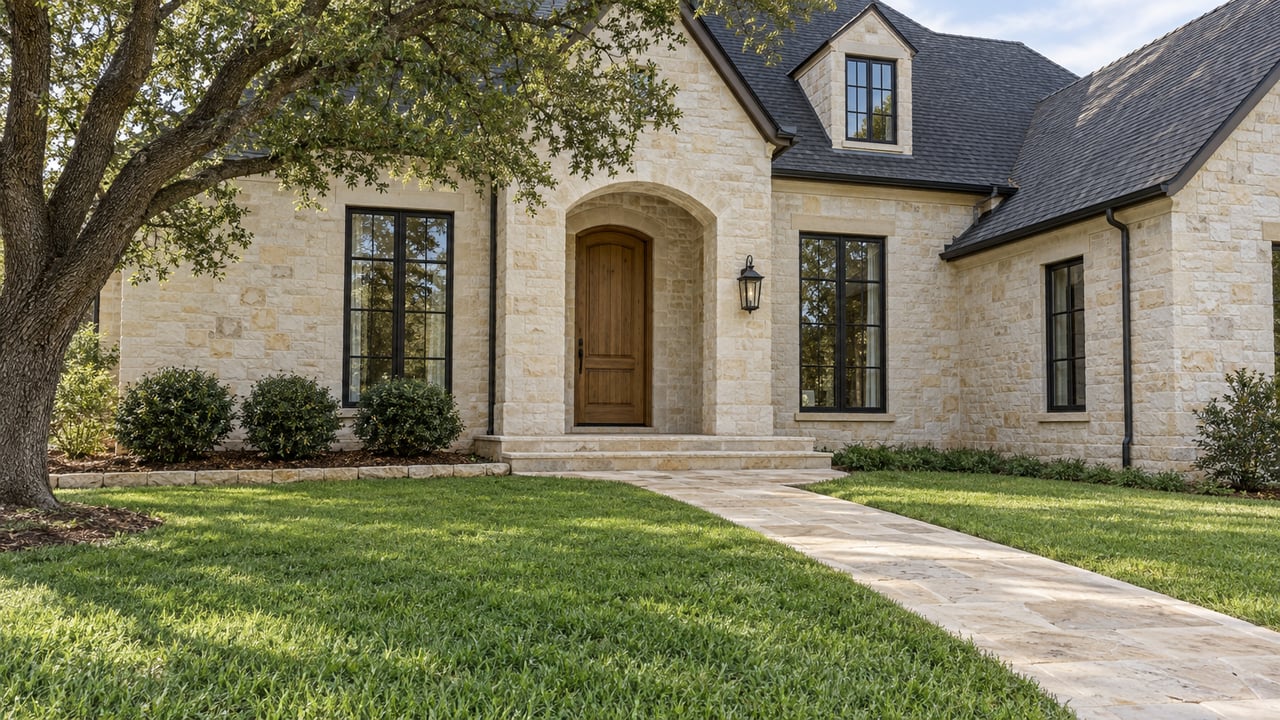
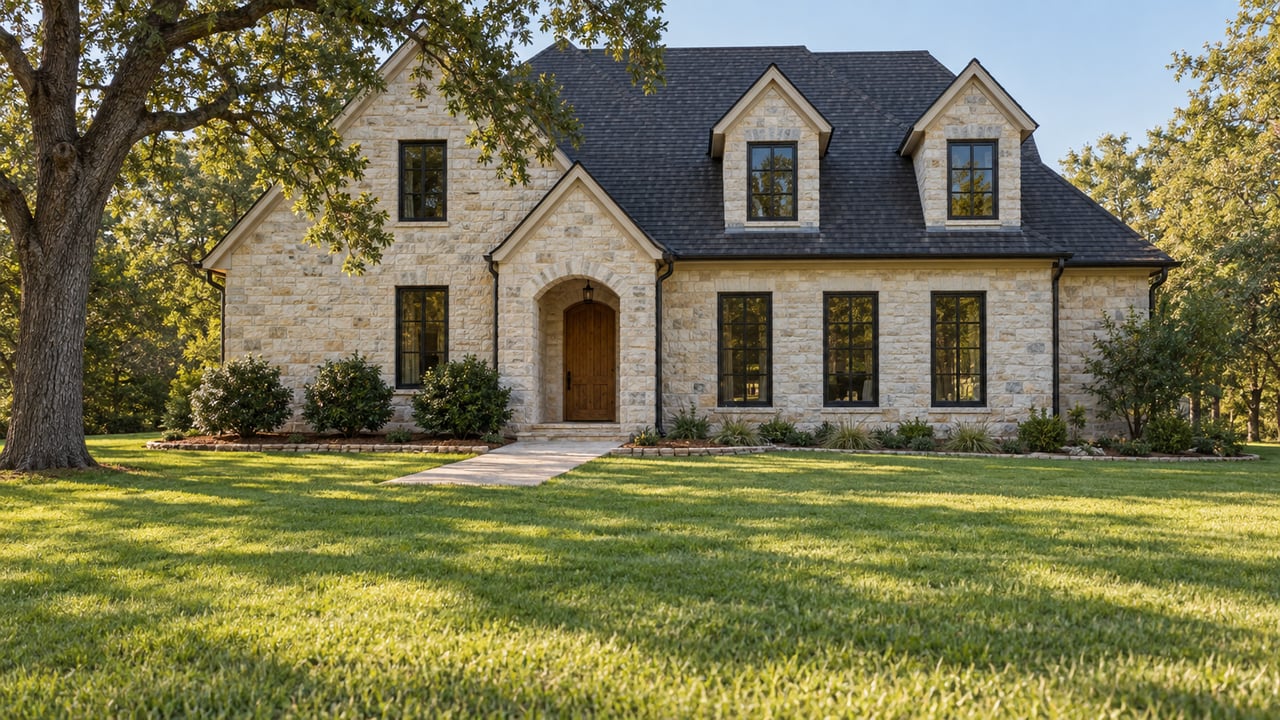
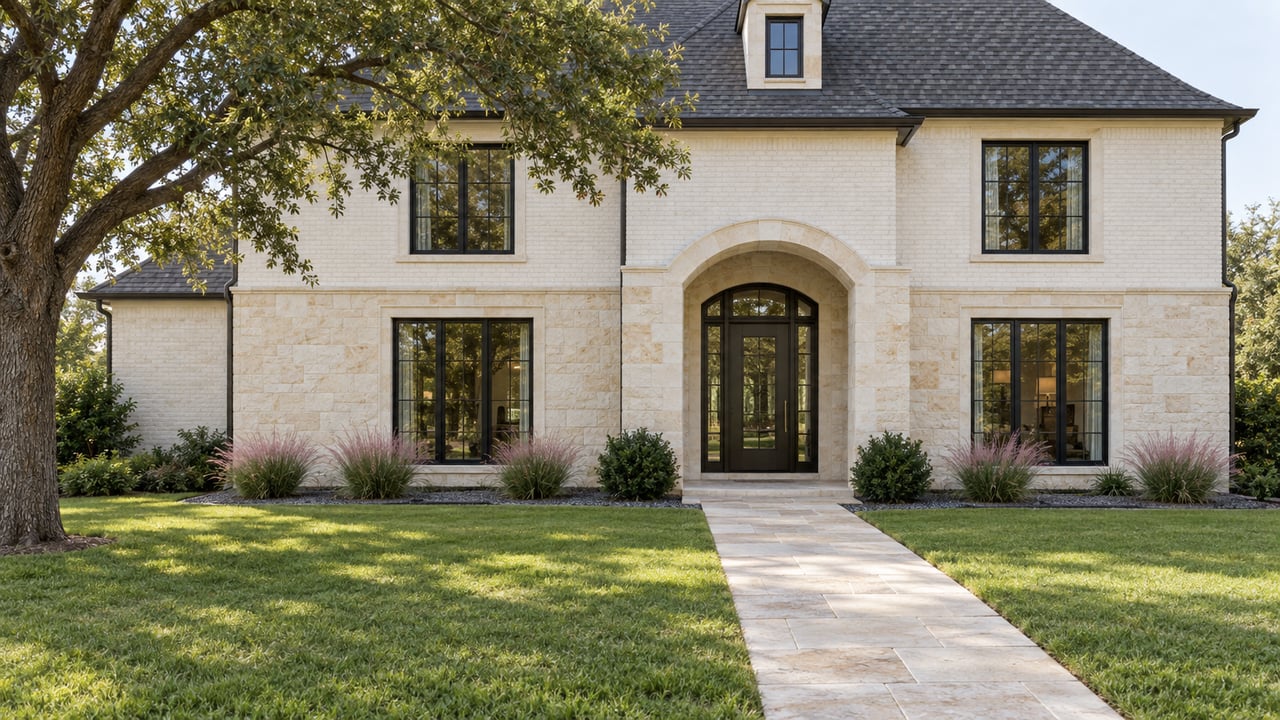
You will also see a variety of property styles. Magnolia acreage listings include farmhouse, ranch, Craftsman, Colonial, and modern homes, along with barndominiums, horse properties, fenced pasture, barns, RV storage, guest space, and multi-structure layouts.
That variety gives you more ways to match the property to your lifestyle. You may want space for equipment, hobbies, animals, a workshop, or simply more distance between homes. Compared with a typical subdivision lot, acreage often offers more privacy and more room to personalize how you live day to day.
City Limits vs County Rules
One of the biggest details to understand is whether a property is inside Magnolia city limits or in unincorporated Montgomery County. The rules can be very different, and this is one of the first things you should confirm before making plans for additions, outbuildings, or specific uses.
In unincorporated Montgomery County, the county states there are no land-use controls, or zoning, and no countywide building code. That can sound simple at first, but it does not mean every property is automatically unrestricted in practice.
Inside Magnolia city limits, the Planning & Zoning Commission reviews subdivision plats and other land-use matters. So if you are comparing properties, two homes with similar acreage may come with very different approval paths depending on jurisdiction.
Why Deed Restrictions Matter
Even when a property is outside city limits and not subject to county zoning, recorded deed restrictions may still shape what you can do with the land. These restrictions can regulate the size and location of structures, design of improvements, setback and yard requirements, architectural style, and other uses.
The key takeaway is simple: “lightly restricted” is not a countywide standard. It is specific to the parcel. Before you assume you can add a barn, place an RV cover, fence pasture a certain way, or build a guest structure, you will want to review any recorded restrictions carefully.
This is where a detail-oriented buying process matters. Acreage purchases often involve more moving parts than a standard suburban home search, especially when you are evaluating future use, not just the house as it sits today.
Daily Life on Magnolia Acreage
Life on acreage often gives you something many buyers want more of: breathing room. Magnolia’s own materials note that homeowners can find conventional subdivisions, farm-and-ranch living, or custom homes on sprawling acreage, which reflects how varied the local lifestyle can be.
For some owners, that means room for horses, pasture, or barns. For others, it may mean a shop building, covered RV storage, a pond, guest space, or simply a quiet homesite with fewer nearby rooftops. Current acreage examples around Magnolia reflect all of those possibilities.
Still, more land usually means more responsibility. Texas A&M AgriLife notes that small-property landowners face unique management challenges, and some livestock uses can work on small acreages when forage and facilities fit the land. In other words, the land needs to support the way you want to use it.
Maintenance You Should Expect
Acreage living can feel simple and peaceful, but ownership often comes with systems and upkeep that buyers from traditional neighborhoods may not have handled before. Understanding those basics upfront can help you avoid surprises.
Septic Systems
In rural and suburban areas, on-site sewage facilities are common. TCEQ says these systems must be designed around local site conditions, and conventional septic tanks generally should be pumped every three to five years.
If a property does not connect to public sewer, the condition, age, and capacity of the septic system deserve close review. If you are planning future additions or extra structures, that can be especially important.
Private Wells
If a property uses a private well, water quality and maintenance become part of regular ownership. Texas landowners are responsible for managing private-well drinking water, and AgriLife recommends testing at least once a year. TCEQ also states that private well owners are responsible for regular testing.
For buyers who are used to public water service, this is a meaningful shift. A well can support the acreage lifestyle, but it also requires monitoring and care.
Land and Improvements
Acreage properties often include more than just a house. Fences, barns, outbuildings, covered storage, driveways, pasture areas, and drainage patterns may all affect how the property functions and how much upkeep it needs over time.
When you tour acreage, it helps to think beyond the main residence. The land and improvements are a major part of the value and the lifestyle.
Permits and Planning Ahead
If you hope to build, expand, or add structures later, permitting should be part of your buying conversation early. Montgomery County’s development packet says every structure and or addition requires its own permit. If public sewer is not available, the owner must also apply for a septic permit.
That matters if your dream property includes a future shop, pool, barn, guest space, or other improvement. A parcel may look like it has plenty of room, but your plans still need to fit local permitting requirements and site conditions.
This is one reason acreage due diligence is so important before closing. It is not only about whether you like the property today. It is also about whether the property supports your next steps.
Floodplain and Drainage Checks
Drainage is another major consideration with larger tracts. Montgomery County permitting treats 100-year floodplain development separately, so buyers should verify flood exposure and drainage before planning features like a barn, pool, or shop.
This is especially important because acreage often includes more varied topography and open land than a standard neighborhood lot. Even if a home itself meets your needs, the usable parts of the land may be affected by drainage or floodplain conditions.
A smart acreage search includes questions about where improvements sit today and where future improvements could realistically go. That can help you align the property with both your budget and your long-term plans.
How to Shop Smarter for Magnolia Acreage
Acreage buyers usually benefit from a more detailed checklist than buyers shopping in a typical subdivision. The home matters, but so do the land rules, utility systems, and improvement potential.
Here are a few practical questions to ask as you compare options:
- Is the property inside Magnolia city limits or in unincorporated Montgomery County?
- Are there recorded deed restrictions that affect structures, setbacks, design, or land use?
- Does the property use septic, a private well, or both?
- What permits may be required for future additions or outbuildings?
- Is any part of the property in or near the 100-year floodplain?
- Do the existing improvements match how you want to use the land?
These questions can help you narrow the field quickly. They also make it easier to separate a property that merely looks appealing online from one that truly fits your goals.
Finding the Right Fit for Your Lifestyle
Country acreage living around Magnolia can be a great fit if you want more flexibility, more privacy, and a more open setting than a conventional neighborhood usually offers. At the same time, the best acreage purchase is rarely just about how many acres you get. It is about how well the land, structures, restrictions, and systems line up with the life you want to build there.
Whether you are looking for a custom home on a few acres or a larger tract with room for barns, storage, and future plans, a careful local approach matters. If you want expert guidance as you compare Magnolia-area properties and think through the details, connect with Eve Kneller for personalized support.
FAQs
What is country acreage living around Magnolia like?
- Country acreage living around Magnolia usually means owning rural or semi-rural land outside the small city core, with more privacy, more room for outbuildings or hobbies, and access to Houston, Conroe, and The Woodlands.
Are Magnolia acreage properties usually inside the city?
- No. Because Magnolia itself is small, most acreage living in the area is typically found on surrounding tracts outside the city core.
What should you verify before buying acreage near Magnolia?
- You should verify whether the property is in the city or county, whether deed restrictions apply, what utility systems serve the property, what permits may be needed, and whether floodplain or drainage issues affect the land.
Do unincorporated Montgomery County acreage properties have zoning?
- Montgomery County states that unincorporated areas do not have land-use controls, or zoning, and do not have a countywide building code.
Can deed restrictions affect acreage near Magnolia?
- Yes. Recorded deed restrictions may control things like structure size, placement, setbacks, architectural style, and other uses, even when a property is outside city limits.
Are septic systems common on Magnolia acreage?
- Yes. TCEQ says on-site sewage facilities are common in suburban and rural areas, and conventional septic tanks generally should be pumped every three to five years.
Do private wells need regular testing on Magnolia acreage?
- Yes. Private well owners are responsible for managing drinking water, and AgriLife recommends testing at least once a year.
Do you need permits for additions on acreage in Montgomery County?
- Yes. Montgomery County’s development packet says every structure and or addition requires its own permit, and a septic permit is required when public sewer is not available.