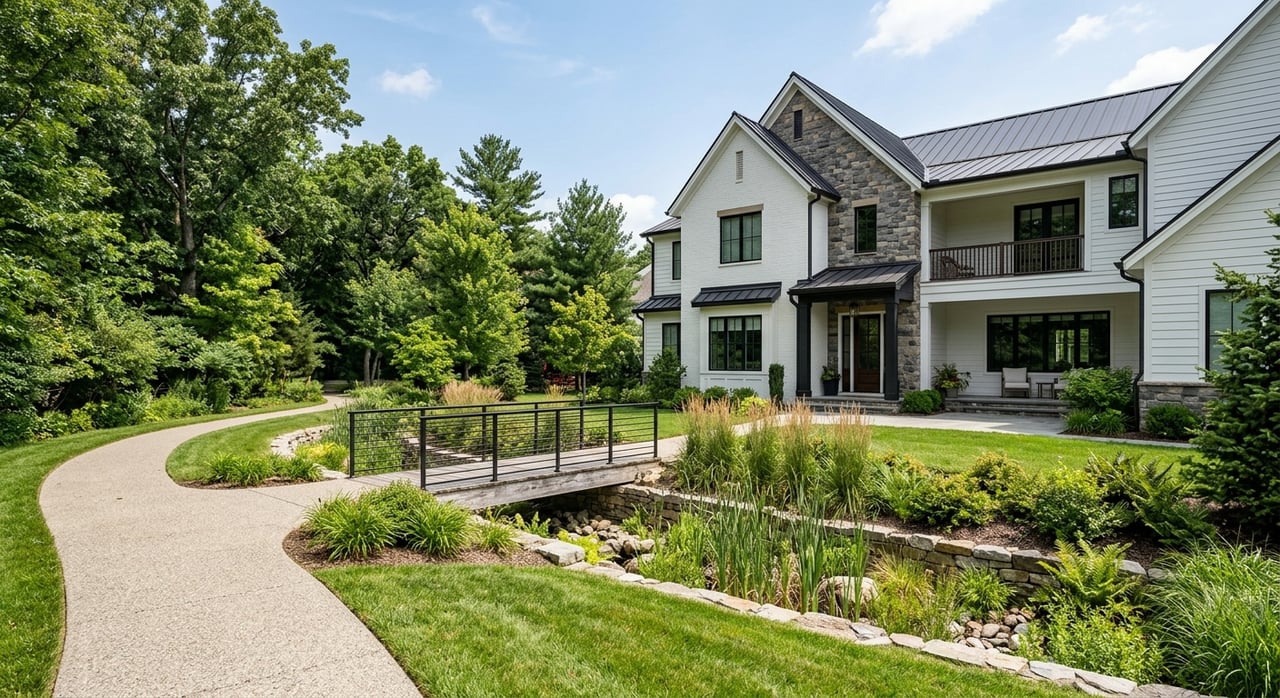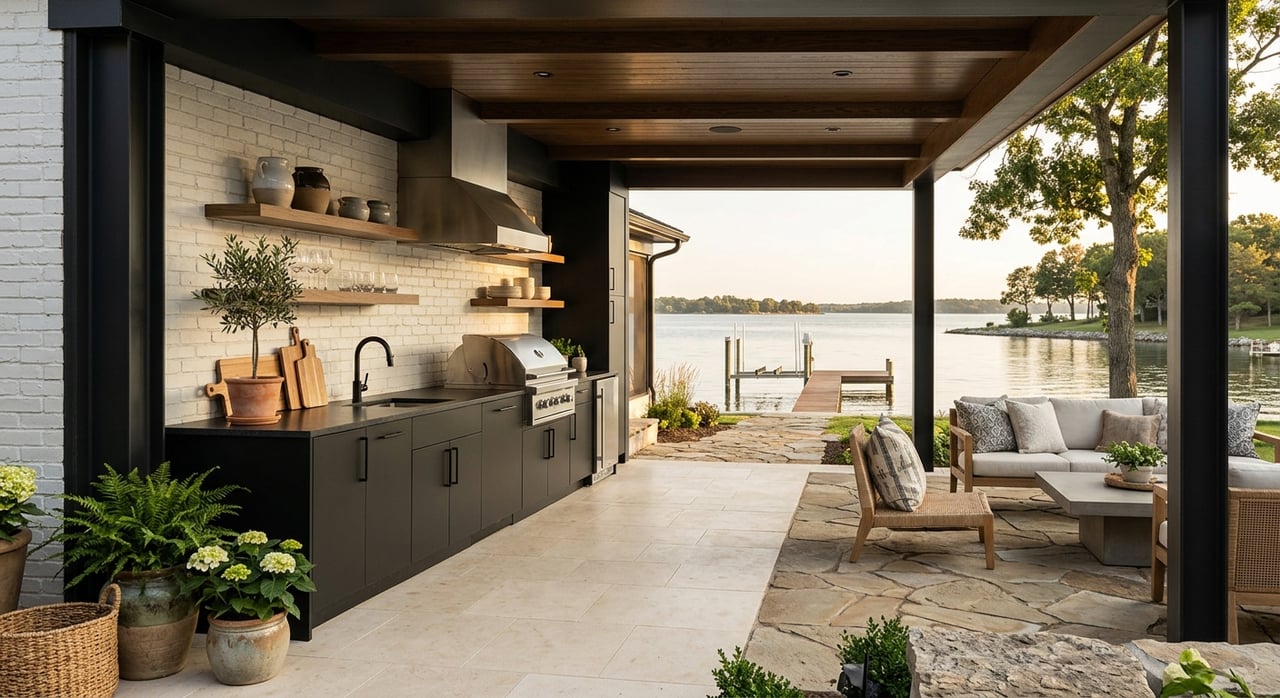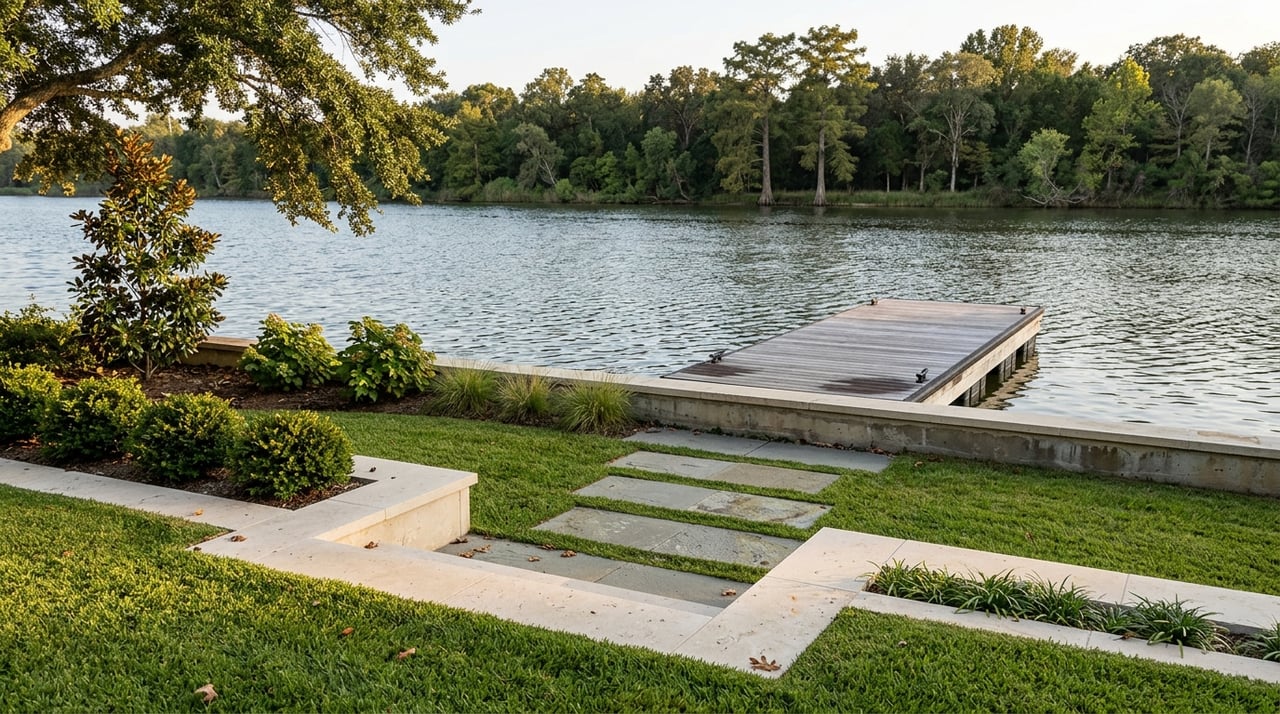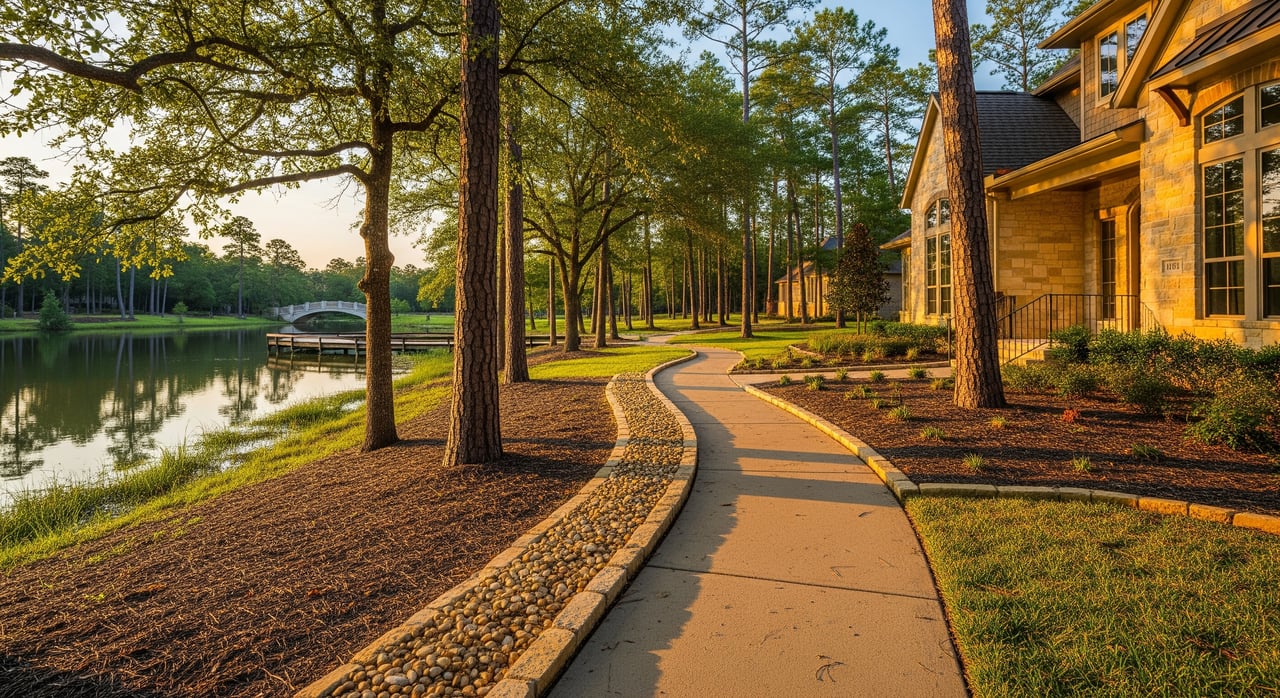
Do you notice how quickly homes near greenbelts and trailheads seem to draw interest in The Woodlands? You are not imagining it. In our community, parks and pathways are built into daily life, and buyers respond to that convenience and lifestyle. In this guide, you will learn how these amenities shape demand, what to look for as a buyer, and how to showcase them if you are selling. Let’s dive in.
The Woodlands advantage: parks by design
The Woodlands Township manages an extensive network of green spaces and trails that residents use every day. The Township reports more than 150 community parks, over 220 miles of interconnected hike and bike pathways, and about 4,445 acres of open space, which equals roughly 38.3 acres per 1,000 residents. You will also see a strong focus on access, with the Township noting that 100% of homes are within a 10-minute walk of a park, pathway, or open space. You can explore the system on the Township’s Parks & Recreation overview and Community Parks pages.
Why parks and pathways drive demand
Amenity premiums and buyer preferences
Buyers pay for daily convenience and quality of life, and research shows that proximity to parks often carries a measurable price premium. A well-known literature review found that properties abutting or very close to high-quality parks can see meaningful gains, with the effect tapering by distance and varying by park type and upkeep. National surveys also show Americans prefer walkable communities, which makes connected pathways a sought-after amenity in home search decisions. You can read the research synthesis on park value premiums in this journal review and buyer preferences in NAR’s walkability survey.
Connectivity multiplies value
Trails that link homes to schools, retail, and recreation support a lifestyle many buyers want. In The Woodlands, over 220 miles of pathways connect villages, parks, and Town Center, which adds utility beyond a single neighborhood park. Broader studies find that public investments in walking and biking infrastructure also deliver significant economic benefits, which can support nearby businesses and strengthen neighborhood appeal. See the national discussion of trail-related economic impacts in Rails-to-Trails’ analysis.
Local projects shaping demand
George Mitchell Nature Preserve
The George Mitchell Nature Preserve in Creekside Park is a regional anchor, offering hiking and multiuse trails as part of the Spring Creek Greenway. Its scale, commonly reported between 1,700 and 1,900 acres, and evolving connectivity enhance the daily value for nearby neighborhoods. Learn more about the preserve on the Township’s official page.
South Gosling Park planning
In 2023, the Township acquired the 208-acre South Gosling Park tract, with planning discussions that include extensive trail integration and a possible par-3 public golf course. Large, connected parks like this can draw attention to adjacent villages as plans advance. You can follow local reporting on the project through the Houston Chronicle’s coverage.
Luxury momentum near amenities
High-end buyers also respond to amenity-rich settings. Recent reporting on The Woodlands’ Ritz-Carlton Residences cites strong interest at top-tier price points, with lifestyle and access to natural amenities used as key selling points. This underscores how parks and pathways help set benchmarks in selective luxury segments. See media coverage of the project’s progress in the Houston Chronicle.
Flood and infrastructure context
Some greenbelts follow creeks and natural drainage, so it is important to consider flood risk and local infrastructure work alongside amenity value. Recent local reporting highlighted repair timelines and community interest around the Bear Branch dam, which can shape buyer perception and insurance considerations in certain areas. For context, review the Houston Chronicle’s update on repairs.
What buyers should look for
- Verify usable access. Look at the actual walking or biking route to the closest park or trailhead, and note whether you can avoid high-traffic roads. The Township’s Parks & Recreation overview is a helpful starting point.
- Understand the park type. A neighborhood park, active-use sports complex, nature preserve, or greenway corridor will each impact noise, privacy, and activity patterns differently.
- Check flood maps and insurance. Because many preserves sit along waterways, confirm a property’s designation using FEMA’s flood maps and ask about local drainage projects that may influence risk over time.
- Assess upkeep and programming. Well-maintained, active parks with clear programming and safe crossings typically add more everyday value.
How sellers can showcase park access
- Be specific about connectivity. Use clear phrases like “5-minute walk to the pathway system” or “2 blocks to the George Mitchell Nature Preserve trailhead,” and name the park or trail.
- Highlight daily convenience. Note safe crossings, paved path links to retail or Town Center, and the closest playground, pool, or sports field.
- Set expectations. If a trail runs directly behind the lot or a nearby park hosts events, disclose it so buyers can weigh privacy and activity tradeoffs confidently.
Micro-markets to watch
- Creekside Park and areas bordering the George Mitchell Nature Preserve attract buyers who want large natural space and trailhead access.
- Villages with strong pathway connections to Town Center, such as Panther Creek, Alden Bridge, and Grogan’s Mill, appeal to buyers who value quick, car-light trips to parks, shops, and dining.
Bottom line
Parks and pathways are not just nice-to-have features in The Woodlands. They are core to how you live day to day, and they show up in buyer demand, pricing power, and time on market. When you evaluate a home here, focus on real connectivity, park type, flood context, and maintenance to understand the true value. If you are planning a move or thinking about listing, let’s talk about how to leverage these amenities for your goals.
Ready to navigate The Woodlands with a local expert who focuses on your priorities? Connect with Eve Kneller for a tailored plan.
FAQs
Do parks and trails raise home values in The Woodlands?
- Studies show a positive relationship between proximity to well-managed parks and property values, and The Woodlands’ design emphasizes 10-minute access and extensive pathways, which many buyers prioritize.
How close to a park or pathway is “close enough” to impact demand?
- The strongest effects are often for homes abutting or within a short walk of quality parks and connected trails, with impact declining as distance increases, and results vary by park size and upkeep.
What are the tradeoffs of living next to a trail in The Woodlands?
- Benefits include easy recreation and car-light access to amenities, while tradeoffs can include activity near your fence line, occasional event noise, and, in some corridors, flood-related considerations.
How should I compare two homes with different types of nearby green space?
- Look at utility and fit. A paved greenway that connects to schools or retail may offer daily lifestyle benefits, while a passive preserve can provide views and a natural buffer. Weigh how each supports your routine.
What should I include in my listing if my home is near a park?
- Use precise distances or walking times to named parks or trailheads, highlight safe crossings and paved connections, and note any programmed amenities that appeal to active buyers.