Should you choose a shiny new master-planned community or an established neighborhood with mature trees and bigger yards? If you are comparing options in Tomball, you are not alone. Buyers love the area’s small-town feel and suburban convenience, but the right fit depends on how you want to live. In this guide, you will learn the real tradeoffs on lots, HOAs, taxes, commutes, and resale so you can move forward with confidence. Let’s dive in.
Tomball snapshot for context
Tomball is growing. The U.S. Census Bureau estimates the city’s population at 15,152 as of July 1, 2024, and reports a mean work commute of 30.8 minutes based on the 2019–2023 American Community Survey. See the U.S. Census Bureau’s QuickFacts for the latest snapshot.
- Population estimate: 15,152 (July 1, 2024) — source: U.S. Census Bureau QuickFacts
- Mean travel time to work: 30.8 minutes (2019–2023 ACS) — source: U.S. Census Bureau QuickFacts
- Housing context: A recent city-level snapshot showed a median sale price near $402,000 in February 2026 — source: Redfin (date as noted). Market figures change, so confirm current numbers when you are ready to write an offer.
This helps frame the tradeoffs: Tomball is a car-commute suburb with steady buyer interest and a range of homes across new master plans and older, closer-in streets.
What new master-planned living offers
Typical homes and lot sizes
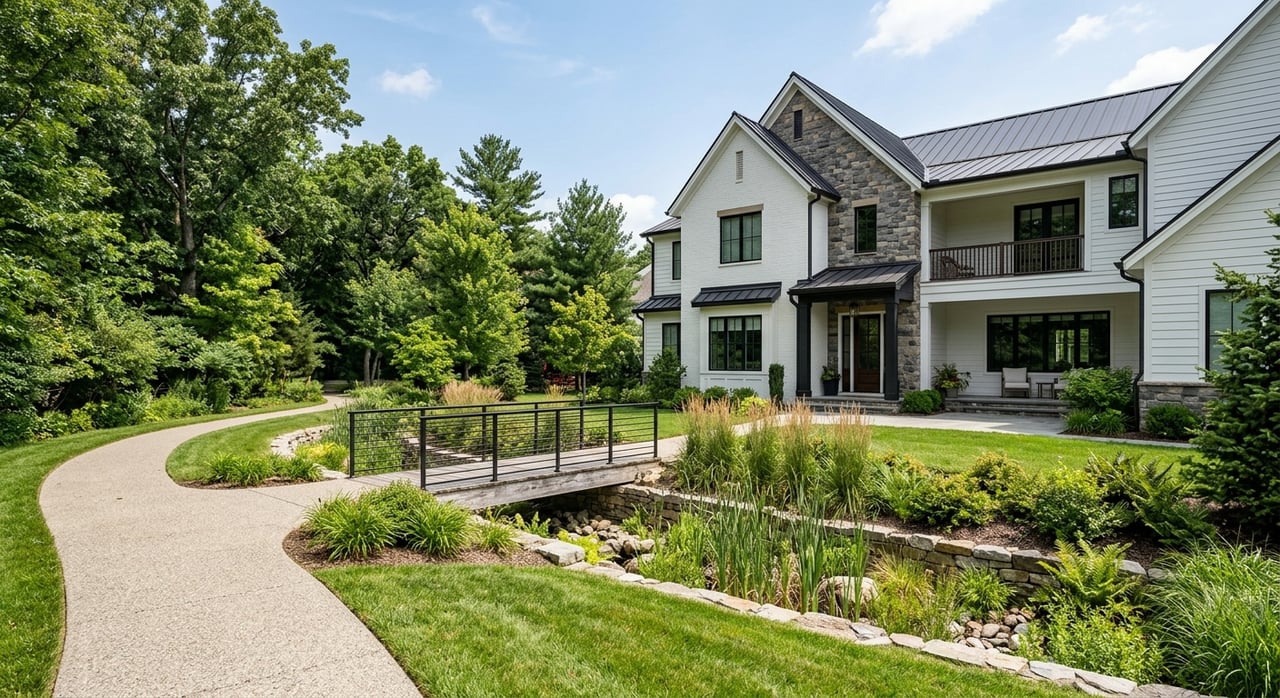
Newer Tomball master plans often feature efficient lot widths and modern floorplans. Expect many standard sections to run about 40 to 60 feet wide, with select sections or premium offerings providing larger or even half-acre homesites.
- Wood Leaf Reserve highlights 40-foot and 50-foot product lines, which is typical of recent master-planned phases in the area. Review the builder’s page for details: Shea Homes at Wood Leaf Reserve.
- Lakes at Creekside includes mixed lot widths and a resort-style plan structure. Builder partnerships and community scope were covered by the Houston Chronicle’s report on Trendmaker Homes and Toll Brothers.
- Sorella marketing and listings in the Tomball area note 40- and 50-foot products with some half-acre options in select phases.
Amenities and HOA expectations
Master plans typically include pools, splash pads, clubhouses, lakes, trails, playgrounds, and sometimes gated sections. These amenities are funded and maintained by a mandatory HOA. Fee levels vary by section and amenity package, and examples in the Tomball area have ranged roughly from about 750 to more than 1,650 dollars per year. Always confirm the exact current fee, billing period, and what is covered. For a clear overview of how Texas property owners’ associations work, review Texas Property Code Chapter 209 via the State Law Library.
Taxes and MUDs
Many new developments sit inside Municipal Utility Districts, or MUDs, that finance water, sewer, drainage, and roads. If your home is in a MUD, you will pay the district’s tax rate in addition to city, county, and school taxes. Before you make an offer, pull the parcel’s tax jurisdictions and current rates with the Harris County Tax Office’s property tax rates lookup. For a sense of how MUD financing disclosures read, see this sample public offering statement on MuniHub.
Price bands to expect
Pricing moves with the market, but a helpful rule of thumb is this: entry-level series in newer Tomball master-planned sections often begin in the mid 300s, while lakefront or luxury collections and gated sections can reach the 600s to 900s or higher, depending on product and finishes. Always confirm current builder releases and recent resale comps by subdivision.
Pros of new master-planned
- New construction with modern layouts and energy features, often with builder warranties.
- Turnkey amenities and planned open space for everyday convenience.
- Consistent streetscapes that many buyers value at resale.
Cons of new master-planned
- Mandatory HOA rules and fees.
- MUD taxes can increase the annual bill.
- Smaller lots in many sections, and possible construction activity if the community is still building out.
What established Tomball neighborhoods offer
Character, space, and variety
Older Tomball neighborhoods closer to Historic Downtown often deliver larger lots, mature shade trees, and unique architecture. In areas like Tomball Townsites and Old Town, you will see quarter-acre to roughly one-third-acre lots, with some even larger parcels nearby. The upside is outdoor space and character. The tradeoff is that older systems may require updating.
Fewer fees, lighter rules
Many established neighborhoods have no HOA or only light deed restrictions. You may have more flexibility for improvements, workshops, or parking. The tradeoff is fewer community services and no shared amenities.
Close to everyday Tomball
If you value proximity to small shops, parks, and community events, older neighborhoods near downtown put you close to the city’s calendar, Depot Plaza gatherings, and seasonal festivals. See the City of Tomball site for events and parks. You are also near local institutions like Lone Star College–Tomball and the regional medical corridor highlighted in Community Impact’s coverage.
Pros of established neighborhoods
- Larger lots and mature trees with more privacy potential.
- Often closer to downtown activities and everyday services.
- Low or no HOA fees in many streets.
Cons of established neighborhoods
- Older roofs, HVAC, plumbing, or electrical may need near-term attention.
- Fewer built-in amenities like pools or clubhouses.
- Streetscape quality can be more variable without strong HOA standards.
Side-by-side decision factors
- Lot size and outdoor plans: If you want room for a pool, workshop, or large play space, established areas often deliver more land than 40- or 50-foot lots in newer sections.
- HOA rules and fees: Newer master plans come with mandatory HOAs that set rules on exterior changes, fencing, parking, and rentals. Older areas may have light restrictions or none at all. You can review the legal framework for Texas HOAs via the State Law Library’s Chapter 209 guide.
- Taxes and MUDs: Always check the parcel’s tax jurisdictions. Newer communities often sit in MUDs that add a separate tax rate. Use the Harris County Tax Office lookup and request MUD disclosures like the sample offering statement.
- Schools and zoning variability: Tomball addresses may fall into Tomball ISD, Klein ISD, or Waller ISD depending on the exact section. Always confirm the assigned schools with the district or an official zoning map for the specific property.
- Commute realities: The average commute is about 30.8 minutes, which signals a car-commute lifestyle. Test-drive your route at peak times to your job center.
- Flood risk and insurance: Parts of northwest Houston near Spring Creek and Cypress Creek have mapped floodplains. Pull the FEMA Flood Insurance Rate Map for any address and review local updates. For context on Spring Creek planning and FEMA references, see ReduceFlooding’s coverage.
- Resale dynamics: Newer product attracts buyers who want amenities and modern systems. Established homes attract buyers who prioritize lot size and character. Compare 12 to 24 months of comps in the exact subdivision before you decide.
Neighborhood spotlights
Lakes at Creekside — amenity-forward living
- Lifestyle: Resort-style master plan with lakes, trails, and a mix of builders. The Houston Chronicle reported on partnerships that shaped the community’s offerings.
- Lots: Mixed lot widths that commonly include about 45 to 60 feet, with premium and lake-adjacent options in certain sections.
- HOA and fees: Mandatory HOA with fees that vary by section and amenity level. Expect roughly the high hundreds to low thousands per year. Confirm the exact current fee and inclusions.
- MUD status: Many sections in this corridor are served by MUDs. Pull the property’s tax table at the Harris County Tax Office and request the appropriate MUD disclosures, similar in format to this sample offering statement.
- Schools: Sections may align to different ISDs. Verify the exact address for school assignment.
Wood Leaf Reserve — streamlined new-home convenience
- Lifestyle: Smaller master-planned setting with neighborhood amenities and modern floorplans.
- Lots: Primarily 40-foot and 50-foot products per Shea Homes’ community page.
- HOA and fees: Mandatory HOA. Confirm current dues and what is included.
- MUD status: Check the parcel’s jurisdiction table via the Harris County Tax Office.
- Schools: Confirm the specific section’s assigned schools with the district.
Sorella — new phases with mix of lot sizes
- Lifestyle: Modern master plan with community amenities and a variety of product lines.
- Lots: Marketing and listings reference 40- and 50-foot series with some half-acre homesites in select sections.
- HOA and fees: Mandatory HOA. Fees vary by section. Verify before you buy.
- MUD status: Expect MUD or special-district service in many new phases. Confirm the exact district per parcel.
- Schools: Some phases show Waller ISD in listing notes. Always confirm for the exact address.
Old Town Tomball and nearby established streets — classic charm close to Main Street
- Lifestyle: Mature trees, diverse architecture, and a short drive to Depot Plaza events and local dining. Check the City of Tomball site for festivals and markets.
- Lots: Larger parcels are common. Quarter-acre to one-third-acre lots are typical in many blocks, with select areas offering even more land.
- HOA and fees: Often no HOA or light restrictions. Confirm any deed restrictions recorded for the specific property.
- MUD status: Many older in-city homes are not in a MUD, but always verify the parcel’s tax jurisdictions through the Harris County Tax Office.
- Schools: School zones vary by street and subdivision. Confirm with the district’s official tool.
How to choose your best fit
Ask yourself these quick questions:
- How much yard do you truly want to maintain, and what will you use it for in the next five years?
- Do you prefer built-in amenities run by an HOA, or do you want fewer rules and more project flexibility?
- What is your all-in monthly budget once you include principal, interest, taxes, HOA, and insurance? Will a MUD rate change that math?
- Which commute matters most, and have you test-driven it during peak hours?
- Do you plan to update an older home, or do you value builder warranties and efficient systems out of the box?
- Are school attendance zones for your specific address aligned with your goals?
Your next steps
- Test-drive your commute at peak times from a few short-listed streets or sections.
- Pull parcel-level tax estimates and confirm any MUD or special districts using the Harris County Tax Office, then request the community’s disclosure, similar to this sample MUD statement.
- Review HOA covenants, rules, and fees for any master-planned option. For background, skim the Texas State Law Library’s overview of Chapter 209.
- Check flood maps for any property and look for local drainage updates. For context on Spring Creek planning and FEMA references, start with ReduceFlooding’s Spring Creek coverage.
- Confirm school assignments with the district for the exact address.
- Compare 12 to 24 months of sold comps by subdivision before you write your offer.
When you are ready for a clear plan tailored to your budget, commute, and lifestyle, reach out to Eve Kneller for a local strategy session, custom search, and on-the-ground guidance in Tomball’s new and established neighborhoods.
FAQs
Will I pay more tax living in a new Tomball community?
- Possibly. Many new communities are in MUDs, which add a separate tax rate to the annual bill. Always check the parcel’s jurisdictions with the Harris County Tax Office and review the MUD disclosure format, such as this sample offering statement.
Are Tomball master-planned communities usually gated?
- Not always. Some sections are gated and carry higher amenity packages, while many are open. Confirm the section map and HOA details for the property you are considering.
Do Tomball addresses always mean Tomball ISD zoning?
- No. Tomball addresses can fall into Tomball ISD, Klein ISD, or Waller ISD depending on the exact parcel. Always verify the assigned schools with the district for the specific address.
What about flood risk near Spring Creek and Cypress Creek in Tomball?
- Flood risk varies by street and subdivision. Pull the FEMA flood map for the property and consider elevation certificates. For local context and FEMA references, see ReduceFlooding’s Spring Creek coverage.
Which has better resale in Tomball, new or established neighborhoods?
- It depends on buyer demand. Amenity-focused buyers often prefer newer master plans, while others prioritize larger lots and character in established areas. Compare 12 to 24 months of subdivision-level comps and note the city’s recent median context, such as the February 2026 figure noted earlier.