If you’re drawn to more space, a slower pace, and a community that still feels connected to its roots, Magnolia may already be on your radar. But like any move, the right fit depends on how you want to live day to day, not just what looks good on a map. In this guide, you’ll get a clear, practical look at what life in Magnolia, TX is really like, who it tends to suit best, and what to weigh before you make a move. Let’s dive in.
What Magnolia feels like
Magnolia has a small-town identity, but it is not standing still. According to the city, it offers nearby access to Houston, Conroe, and The Woodlands while still holding onto a neighborly, community-centered feel.
That combination matters if you want breathing room without feeling completely removed from everyday conveniences. Magnolia’s own description points to a place where growth is happening, but the lifestyle still leans more relaxed and less polished than some of the more built-out north-Houston suburbs.
Housing in Magnolia
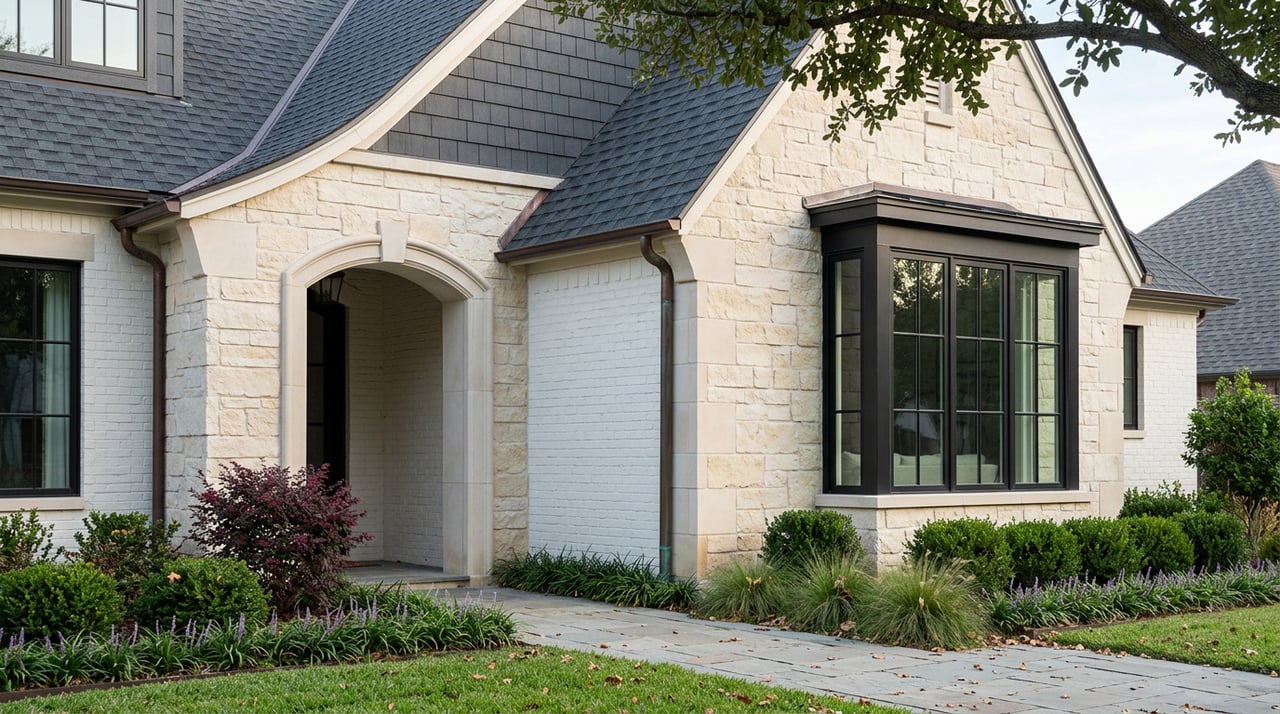
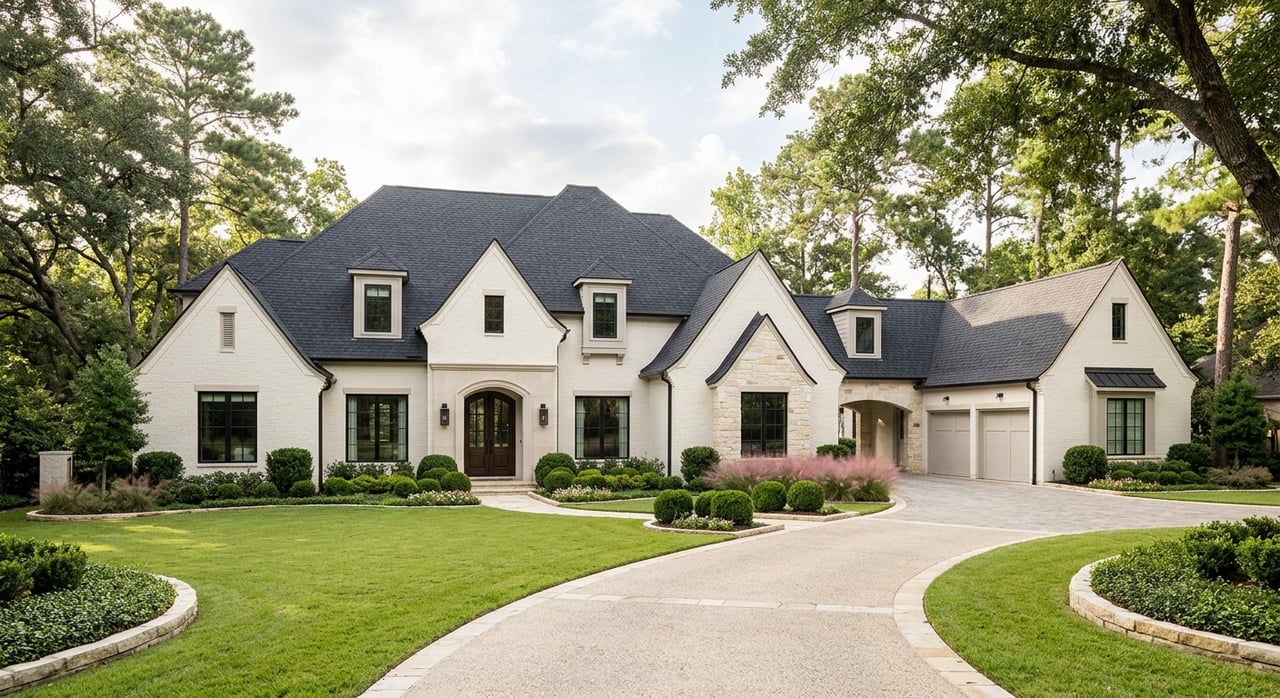
One of Magnolia’s biggest draws is variety in how you can live. City materials describe a mix of conventional subdivisions, farm-and-ranch properties, and custom homes on acreage.
For you as a buyer, that means Magnolia can offer options that are harder to find in more tightly planned communities. If a larger lot, extra privacy, room for outdoor living, or a less uniform neighborhood layout matters to you, Magnolia may check those boxes.
The city has also said Magnolia remains a rural community with large-lot options for families, even as new residential and commercial development continues. In other words, this is not a market frozen in time. It is a place where open land and new growth exist side by side.
Growth and development
If you’re wondering whether Magnolia is still “up and coming” or already established, the answer is a bit of both. Current city information shows ongoing development activity, including the proposed Magnolia Town Center mixed-use project, which was still under engineering and design review as of June 2025.
The city is also tracking infrastructure work like the FM 1488 widening project. For you, that signals an area that is evolving, which can be appealing if you want to buy in a place that still has room to develop over time.
At the same time, growth can bring trade-offs. Construction, road work, and changing traffic patterns may be part of the experience as the area continues to expand.
Parks and public spaces
Magnolia’s lifestyle story is not just about houses and land. Public spaces play a major role in how the community comes together.
Unity Park is a 30-acre municipal park and wildlife preserve with trails, an amphitheater, a splash pad, playgrounds, picnic areas, and event facilities. The Magnolia Stroll adds another layer, serving as a half-mile walking path and event corridor in the historic town center.
If you enjoy getting outside, attending local events, or having simple places to gather with friends and family, these amenities add real value to daily life. They also reflect the city’s emphasis on civic spaces rather than a fully packaged master-planned environment.
Community events and local feel
Some places feel connected only a few times a year. Magnolia appears to have a more active local rhythm.
Recent city and chamber listings include events such as National Night Out at Unity Park, the Renaissance welcome event, the Courtyard Collective Farmers Market, Magnolia Mingle, Fall Fest, and the chamber’s Family Fun Day with the Parade of Lights. That suggests a community calendar built around recurring local events, public gathering spaces, and small-business activity.
For you, this can mean it is easier to plug into community life if that matters to your lifestyle. Magnolia’s appeal seems to come less from polished, all-in-one amenity packages and more from local traditions and civic participation.
Schools and practical planning
If school options are part of your move, Magnolia ISD describes itself as combining a large-district range of programs with a close-knit, small-town feel. The district says it offers advanced academics, concurrent college credit, career and technical pathways, early childhood and full-day kindergarten, and IB for juniors and seniors.
Just as important, Magnolia ISD notes that some boundary-area addresses should be verified carefully through its attendance tools or MCAD. If you are home shopping with attendance boundaries in mind, that is a detail worth checking early before you narrow your shortlist.
How Magnolia compares nearby
Magnolia can make sense if you want something different from a more curated suburban experience. Official descriptions of The Woodlands emphasize its identity as a highly recognized master-planned community, while Magnolia’s own messaging leans more toward acreage, farm-and-ranch living, and a community still transitioning from rural to suburban.
That difference is helpful when you are deciding what kind of environment fits you best. If you want a more structured, fully planned setting, Magnolia may feel too loose. If you prefer more land, a less uniform feel, and a town that is still evolving, Magnolia may feel more natural.
Tomball is often associated with small-town character balanced with larger-city conveniences. Magnolia, by contrast, appears to lean further into open space and a less curated development pattern. That does not make one better than the other. It simply means the lifestyle feel is different.
Who Magnolia may suit best
Magnolia is likely a strong fit if you value:
- More land or larger lot options
- A slower day-to-day pace
- A small-town atmosphere
- Local parks and community events
- A mix of established areas and future growth
- Housing choices beyond standard subdivision living
For many buyers, especially those relocating from denser suburbs or more built-up parts of Houston, that combination can feel refreshing. You may find that Magnolia offers more flexibility in how you want your home and property to function.
When Magnolia may not be the best fit
Magnolia may be a weaker fit if your priorities lean in another direction. Based on the city’s own descriptions and development pattern, it may not be ideal if you want:
- A fully master-planned community feel
- A dense concentration of amenities close together
- A more urban or highly polished suburban environment
- A neighborhood experience that feels fully built out today
That does not mean Magnolia lacks amenities or convenience. It simply means its identity appears to center more on space, community character, and gradual growth than on a highly packaged lifestyle format.
Questions to ask before moving
Before deciding whether Magnolia is right for you, it helps to think beyond the listing photos. Ask yourself:
- Do you want more land or a larger lot than nearby suburbs typically offer?
- Are you comfortable buying in an area that is still growing and changing?
- Would you enjoy a community built around parks, local events, and small-town traditions?
- Do you prefer a less uniform neighborhood feel?
- Is access to Houston, Conroe, or The Woodlands important to your routine?
Your answers can quickly clarify whether Magnolia fits the life you want, not just the home you want.
Final thoughts on living in Magnolia
Magnolia stands out for buyers who want room to spread out, a more relaxed pace, and a community identity rooted in local parks, events, and everyday connection. It is not trying to be the most polished or most master-planned option in the north-Houston area, and for the right buyer, that is exactly the point.
If you’re weighing Magnolia against The Woodlands, Tomball, or other nearby north-Houston suburbs, the smartest next step is to compare not just home prices and square footage, but also the feel of each area. If you want help narrowing down neighborhoods, lot types, and lifestyle fit, Eve Kneller can guide you through the options with local insight and a thoughtful, detail-oriented approach.
FAQs
Is Magnolia, TX a good place if you want more land?
- Yes. City information highlights housing options that include conventional subdivisions, farm-and-ranch properties, and custom homes on acreage.
Is Magnolia, TX still growing?
- Yes. City materials show ongoing residential and commercial development, a proposed mixed-use project called Magnolia Town Center, and infrastructure work such as FM 1488 widening.
What kind of lifestyle does Magnolia, TX offer?
- Magnolia’s official messaging points to a small-town, community-centered lifestyle with public parks, local events, and a mix of rural and suburban living.
Does Magnolia, TX have parks and community events?
- Yes. Unity Park, the Magnolia Stroll, and a calendar of events such as farmers markets, seasonal celebrations, and community gatherings are part of the city’s local character.
How is Magnolia, TX different from The Woodlands?
- Based on official descriptions, Magnolia leans more toward open space, acreage, and a still-evolving rural-to-suburban feel, while The Woodlands is described as a more recognized master-planned community.
What should you verify before buying a home in Magnolia, TX?
- If school attendance boundaries matter to your move, Magnolia ISD says some addresses near boundary areas should be verified through its attendance tools or MCAD.